Seasons are changing

Spring is upon us, and it is a great time to consider getting a fresh start for your skin.

A renewing facial to exfoliate the dead skin and give it a refreshing dose of hydration and a full body scrub to slough off the dead skin cells and give your body a drench of moisture.

Book Now Spring Renewal Facial and Body Scrub
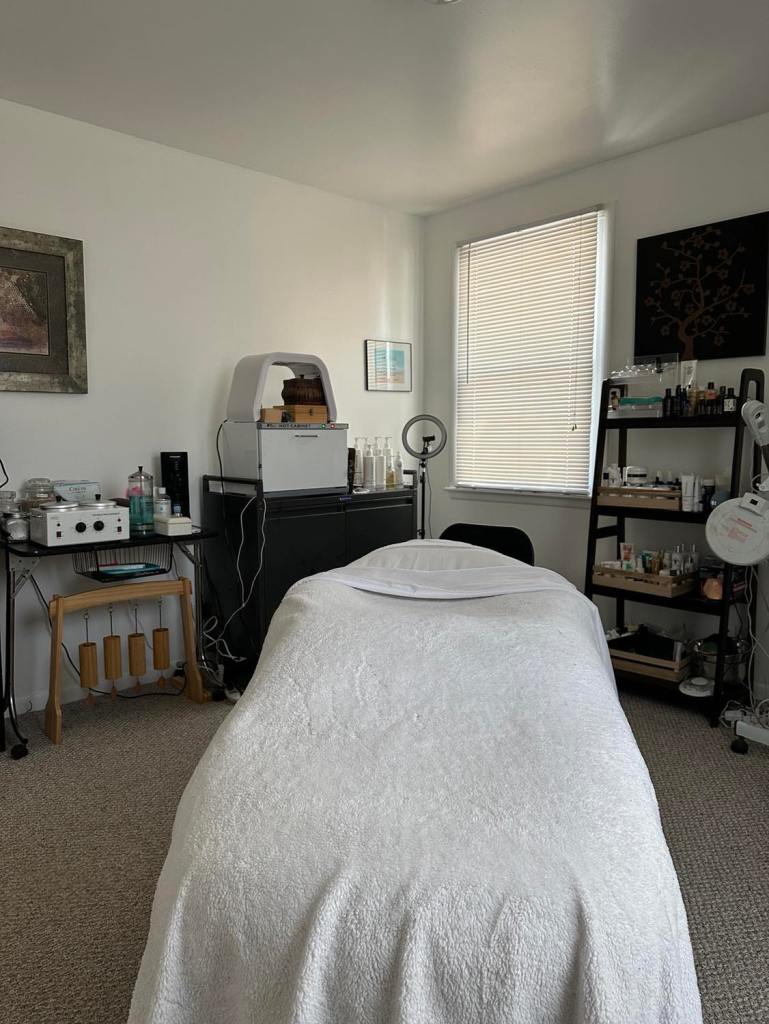
Aesthetics Facial Treatment Room

Massage offers numerous benefits in aesthetics, especially for enhancing the health, appearance, and vitality of the skin and body. Here are some key benefits of massage in the realm of aesthetics:

  1. Improved Circulation: Massage increases blood flow, which helps deliver more oxygen and nutrients to the skin and tissues. This enhanced circulation promotes a healthy complexion, giving the skin a radiant and youthful appearance.
  2. Lymphatic Drainage: Certain types of massages, like lymphatic drainage, help remove toxins and excess fluid from the body. This can reduce puffiness, particularly around the face and eyes, and can contribute to a more sculpted and toned appearance.
  3. Tension Relief: Stress and muscle tension can lead to a dull complexion and even cause wrinkles due to repetitive facial expressions. Regular massage can relieve tension in facial muscles and promote a more relaxed, smooth look.
  4. Collagen Production: Massage helps stimulate collagen production, which is essential for maintaining skin’s firmness and elasticity. This is especially important in preventing and reducing the appearance of fine lines and wrinkles.
  5. Muscle Tone and Contouring: Massages that target the face or body can help tone the muscles beneath the skin, leading to better-defined contours, such as more sculpted cheekbones, a firmer jawline, and improved body shape.
  6. Enhanced Product Absorption: When used alongside skincare products, facial massages can help improve the absorption of serums, oils, and creams, making the products more effective and giving quicker, visible results.
  7. Relaxation and Mental Clarity: A relaxed mind can help reduce the appearance of stress-related skin issues like acne or redness. The calming effect of massage can also contribute to an overall improved sense of well-being, which reflects on the skin.
  8. Increased Skin Tone and Texture: Regular facial massages can help smooth the skin’s texture by encouraging the turnover of skin cells. This can result in a softer, more even-toned appearance.
  9. Reduction in Cellulite: On the body, certain massage techniques are used to reduce the appearance of cellulite. This is achieved through increased blood flow and stimulation of the underlying tissues.
  10. Improved Skin Elasticity: The stretching and kneading motions of massage can help increase skin elasticity, which can combat sagging or lax skin.

Overall, massage in aesthetics is not only a relaxing and soothing experience but also a beneficial treatment for promoting healthy, glowing skin and a more sculpted, youthful appearance.

Lymphatic Drainage

The Benefits of Lymphatic Drainage in Facial Treatments

Facial treatments have come a long way from simply focusing on cleansing and moisturizing the skin. Today, one of the most sought-after additions to facial treatments is lymphatic drainage, a gentle and targeted massage technique that not only enhances the appearance of your skin but also supports overall wellness. If you’re curious about how lymphatic drainage works and why it’s beneficial in facial treatments, this article will walk you through the essentials and benefits of this technique.

What Is Lymphatic Drainage?

Lymphatic drainage is a specialized massage that stimulates the flow of lymph, a clear fluid that carries immune cells and waste products throughout the body. Unlike the circulatory system, which has the heart to pump blood, the lymphatic system relies on muscle contractions to move lymph fluid. By using gentle, rhythmic strokes, a trained therapist can help boost lymph flow, reducing the buildup of toxins and promoting overall health and immunity.

When applied to the face, lymphatic drainage massage can help reduce puffiness, brighten the complexion, and even alleviate certain skin conditions. It’s especially popular among those looking to refresh tired, dull skin or reduce signs of aging in a non-invasive way.

How Does Lymphatic Drainage Work in Facial Treatments?

A typical lymphatic drainage facial starts with a thorough cleansing and possibly gentle exfoliation, followed by a series of light, sweeping movements across the face and neck. The pressure used is incredibly light and directional, aimed specifically at helping the lymph fluid move toward the lymph nodes, where it can be filtered and processed. This gentle massage also helps to increase blood circulation, which delivers nutrients and oxygen to the skin.

Lymphatic drainage works particularly well in facial treatments because the skin on the face and neck is delicate, with a network of lymph nodes close to the surface. The massage doesn’t just improve the look of the skin but can also have a positive effect on sinus congestion and tension headaches, providing both beauty and wellness benefits.

Key Benefits of Lymphatic Drainage in Facial Treatments

  1. Reduced Puffiness and Swelling
    One of the most noticeable benefits of lymphatic drainage is the reduction of puffiness, particularly around the eyes and cheeks. Since fluid buildup is often responsible for a swollen or tired appearance, moving that fluid along can result in a more sculpted and refreshed look almost immediately.
  2. Brighter, Healthier Skin
    By promoting blood flow and encouraging the removal of toxins, lymphatic drainage helps brighten the skin, giving you a natural glow. Increased circulation allows more oxygen and nutrients to reach the skin cells, which supports cell regeneration and gives the complexion a more even tone.
  3. Enhanced Immune System Function
    The lymphatic system plays a crucial role in immunity. By encouraging lymphatic flow, this treatment may support your body’s natural ability to fight off infection and inflammation. While this doesn’t replace medical care, it can help improve your overall resilience against illness and skin irritations.
  4. Improved Skin Tone and Firmness
    Regular lymphatic drainage can contribute to firmer, tighter skin by reducing fluid retention and helping to remove toxins. Over time, the increased circulation may also help prevent the breakdown of collagen, a protein essential for maintaining skin elasticity.
  5. Relief from Sinus Congestion
    Lymphatic drainage is especially beneficial for individuals suffering from sinus congestion or allergies. By gently stimulating the lymph nodes around the face and neck, lymphatic drainage can help relieve sinus pressure, reducing pain and even alleviating tension headaches.
  6. Reduced Appearance of Fine Lines and Wrinkles
    Lymphatic drainage promotes better blood flow, which can help reduce the appearance of fine lines and wrinkles over time. With improved circulation, skin cells receive a consistent supply of nutrients, which may slow down the visible effects of aging and keep the skin looking youthful longer.

Is Lymphatic Drainage Right for You?

While lymphatic drainage is a gentle technique suitable for most people, it’s particularly beneficial for those dealing with puffiness, dullness, or mild skin issues. However, people with certain conditions—such as severe skin infections, active acne, or rosacea—may need to avoid lymphatic drainage or consult a dermatologist beforehand. Pregnant individuals or those with compromised immune systems should also speak to a healthcare provider before adding lymphatic drainage to their skincare regimen.

Incorporating Lymphatic Drainage into Your Skincare Routine

If you’re looking to experience the benefits of lymphatic drainage regularly, you might want to incorporate a few techniques at home. Using clean hands and a few drops of facial oil, you can gently massage your skin, focusing on areas like the jawline, cheeks, and neck, to stimulate lymph flow. Be sure to use light, upward strokes and follow a tutorial if you’re unfamiliar with the technique.

Final Thoughts

Lymphatic drainage is more than just a skincare trend—it’s a holistic approach to beauty that emphasizes the importance of supporting the body’s natural processes. In facial treatments, lymphatic drainage offers a range of benefits from reducing puffiness to promoting a radiant glow. Whether you’re seeking to enhance your appearance or improve your skin’s health, incorporating lymphatic drainage into your skincare routine could be the gentle, effective boost you’ve been searching for.

Healthy Lifestyle

Sweeteners…. What do I choose?

Sweeteners and the Body: Understanding Their Impact

Sweeteners are a ubiquitous part of our modern diet, found in everything from beverages and desserts to processed foods and even medications. As concerns about sugar intake and its health effects grow, alternative sweeteners—both natural and artificial—have gained popularity. But what exactly are these sweeteners, and how do they interact with our bodies? This blog post will explore the various types of sweeteners and their effects on our health.

The Types of Sweeteners

  1. Natural Sweeteners
    • Sugar: Common table sugar (sucrose) is a disaccharide made up of glucose and fructose. It is the standard against which other sweeteners are measured.
    • Honey: A natural product made by bees, honey contains a mix of glucose, fructose, and other compounds that give it its unique flavor and potential health benefits.
    • Maple Syrup: Derived from the sap of maple trees, this syrup is mostly sucrose with a small amount of glucose and fructose.
    • Agave Nectar: Extracted from the agave plant, it contains a high amount of fructose, making it sweeter than table sugar.
    • Stevia: A plant-derived sweetener that is much sweeter than sugar and has no calories, making it popular among those seeking to reduce calorie intake.
  2. Artificial Sweeteners
    • Aspartame: Used in many diet sodas and sugar-free products, aspartame is about 200 times sweeter than sugar but contains very few calories.
    • Sucralose: Known commercially as Splenda, sucralose is about 600 times sweeter than sugar and is often used in baking because it is heat-stable.
    • Saccharin: One of the oldest artificial sweeteners, saccharin is about 300 times sweeter than sugar but has a slightly bitter aftertaste.
    • Acesulfame Potassium (Ace-K): Often blended with other sweeteners to mask its slightly bitter taste, Ace-K is about 200 times sweeter than sugar.
  3. Sugar Alcohols
    • Xylitol: Found naturally in some fruits and vegetables, xylitol is as sweet as sugar but with fewer calories and is often used in sugar-free gums and mints.
    • Erythritol: About 70% as sweet as sugar, erythritol is well-tolerated by the digestive system and does not raise blood sugar levels.
    • Sorbitol and Mannitol: These are less sweet than sugar and are often used in sugar-free and diabetic-friendly foods.

How Sweeteners Affect the Body

  1. Blood Sugar and Insulin Response
    • Sugar and High-Fructose Sweeteners: Regular consumption can lead to spikes in blood glucose levels, causing the pancreas to release insulin. Over time, this can contribute to insulin resistance and increase the risk of type 2 diabetes.
    • Artificial Sweeteners: Generally, these do not raise blood sugar levels directly. However, some studies suggest they might affect insulin sensitivity and glucose metabolism indirectly.
    • Sugar Alcohols: These have a minimal impact on blood glucose levels, making them suitable for people with diabetes.
  2. Caloric Intake and Weight Management
    • Natural Sweeteners: Provide calories, contributing to total caloric intake. Excessive consumption can lead to weight gain.
    • Artificial Sweeteners: Offer a low- or no-calorie alternative, potentially aiding in weight management. However, some research suggests that they may influence appetite and food preferences, potentially leading to increased overall calorie consumption.
    • Sugar Alcohols: Contain fewer calories than sugar and are partially absorbed by the body, which can help in reducing calorie intake.
  3. Dental Health
    • Sugar: Contributes to tooth decay by providing food for harmful bacteria in the mouth.
    • Artificial Sweeteners: Do not contribute to tooth decay. Some, like xylitol, even have protective effects against cavities.
    • Sugar Alcohols: Do not contribute to tooth decay and can be beneficial for dental health.
  4. Gut Health
    • Artificial Sweeteners: Some studies indicate that artificial sweeteners may alter gut microbiota, potentially impacting overall gut health and metabolism.
    • Sugar Alcohols: Can cause digestive issues such as bloating and diarrhea when consumed in large amounts due to their partial absorption and fermentation by gut bacteria.

Making Informed Choices

When choosing sweeteners, it’s essential to consider both their immediate and long-term effects on health. Moderation is key, as overconsumption of any sweetener—natural or artificial—can have negative health consequences. Here are a few tips for making informed choices:

  • Read Labels: Check ingredient lists and nutritional information to understand what type and amount of sweetener is used.
  • Consider Natural Options: Opt for natural sweeteners like honey or maple syrup in moderation, and try incorporating more whole fruits to satisfy your sweet tooth.
  • Monitor Your Body’s Response: Pay attention to how different sweeteners affect your body, including any digestive issues or changes in energy levels.
  • Consult Health Professionals: If you have health conditions like diabetes or digestive disorders, consult with healthcare providers to choose the best sweeteners for your diet.

In conclusion, sweeteners are a complex and varied group of substances with distinct effects on the body. By understanding these effects, we can make better choices that align with our health goals and dietary needs.

Personally, I will choose natural raw honey, pure organic maple syrup, and organic cane sugars in moderation. I will also use Stevia, which is a natural plant and Monkfruit.

What are your experiences with using the different sugar options?

Some products that I use:

*Author makes a profit from the links provided

Water Flavors

Pudding

Coffee Flavorings

Cinnamon

MCT Oil Powder

Stevia Packets

Stevia

Stevia in the raw

Monkfruit in the raw

Maple Syrup

Cacao

cacao nibs

chia seeds

coffee pods

walnuts

MCT Oil

Coconut Oil

ghee

flaxseed

Coconut Flakes

EVOO

Avocado Oil

Elderberry

Mushroom Coffee

Vanilla Beans

pistachios

lemon juice powder

Vit C pops

Organic pops

kids beef sticks